
Usually moisture. Steam gets behind or under the paint, especially if the walls were not cleaned and primed properly.
Why Bathroom Paint Peels and Grows Mildew, and How to Stop It
By Park Ridge Painting Service, family owned and serving Park Ridge since 1985. Last reviewed .
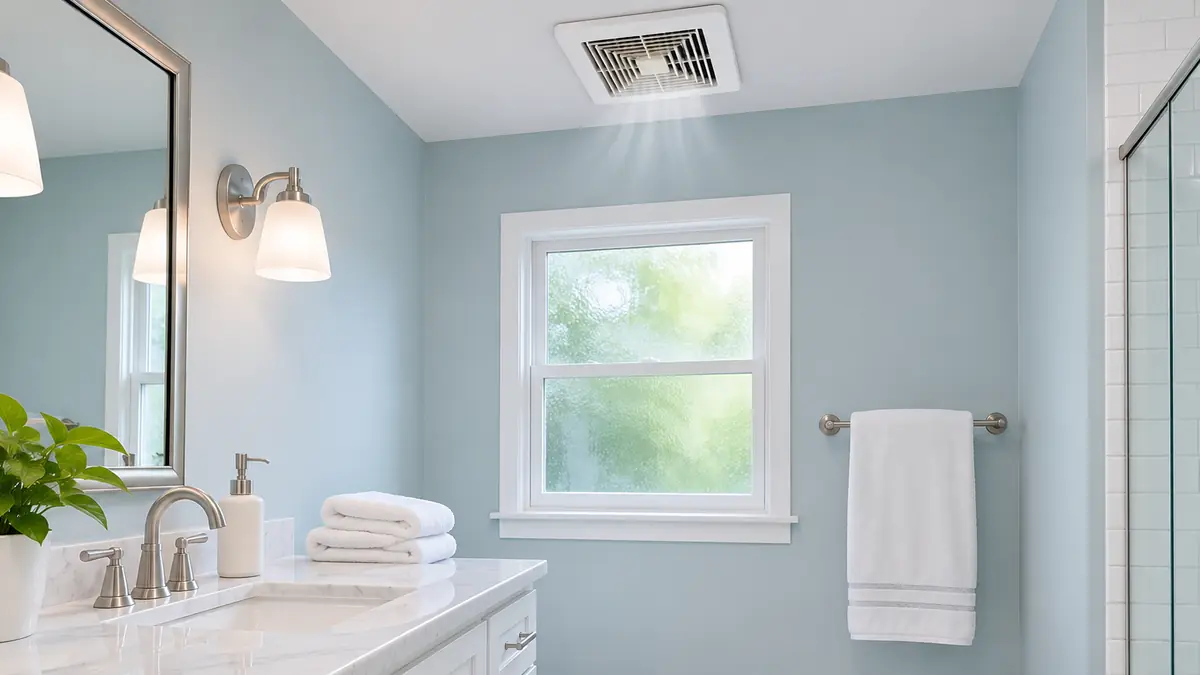
Bathroom paint fails for one main reason: moisture. Steam from showers lands on walls and ceilings, and if the room cannot dry out, the paint loses its bond or grows mildew. The fix is not just a better paint. It is controlling moisture and prepping the surface correctly.
Here is what causes the problem, how to repair it, and what to use so the next coat lasts.
Why Bathroom Paint Fails
| Problem | Likely Cause | Fix |
|---|---|---|
| Peeling or bubbling | Moisture behind the paint or poor prep | Remove loose paint, dry the surface, prime, and repaint |
| Black or green spots | Mildew growing in damp areas | Clean, fix the moisture source, and use a mildew-resistant paint |
| Sticky or soft paint | Paint that never fully cured in humidity | Remove it, dry the wall, and recoat |
| Cracks at corners and seams | Movement and humidity swings | Patch, caulk, and prime before painting |
| Stains below the ceiling | A leak or condensation from above | Find the source and treat before painting |
Fix the Ventilation First
A bathroom fan that is weak, blocked, or not vented outside lets moisture settle on surfaces. Run the fan during showers and for a while afterward, and check that it actually moves air. If walls stay damp for hours, no paint will last, so ventilation comes before anything else.
Prep Matters Most
Clean the walls to remove soap film and body oils, which paint will not stick to. Scrape off loose paint, sand rough edges, and treat any mildew before priming. Cracks and seams should be patched properly, and our Drywall Repair Park Ridge team can handle damaged areas. Use a quality primer made for humid areas, since it gives the finish coat something to hold onto.
Choose the Right Paint and Sheen
Use a paint labeled for bathrooms or high-moisture areas, usually with mildew resistance. Satin and semi-gloss finishes handle moisture and wiping better than flat paint. Low-VOC options are a good fit for small, closed rooms, and our healthy home painting guide explains the differences.
Give It Time to Cure
Paint needs time to cure before it faces steam. Avoid hot showers for the first day or two after painting, and keep the fan running and the door open to help the room dry. Rushing back to normal use is a common reason new bathroom paint fails early.
Need Your Bathroom Repainted?
Our Interior Painting Park Ridge page explains how we prep and finish every room, including kitchens and bathrooms. Or call us at (847) 384-9088 for a free estimate.
Frequently Asked Questions
A mildew resistant paint in a satin or semi gloss finish, applied over a primer made for humid areas.
Improve ventilation, fix any leaks, clean the surface before painting, and use mildew resistant paint.
Give the paint a day or two to cure, and keep the fan running and the door open while it dries.