
Reversing painted brick is difficult, costly, and often damages the brick surface. Removing paint requires harsh chemical strippers or specialized micro abrasive blasting that can strip away the hardened outer glaze of the brick. Homeowners should view exterior brick painting as a permanent architectural commitment.
The Complete Guide to Painting Exterior Brick and Masonry in Park Ridge (2026 Edition)
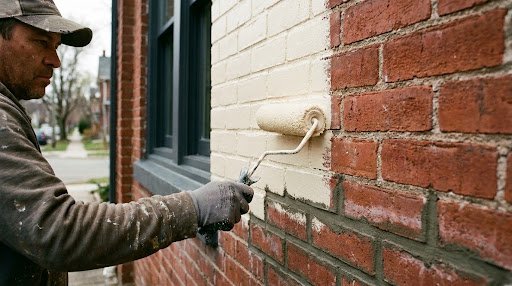
Have you ever wondered whether painting the exterior brick of your Park Ridge home will modernize its appearance or trap damaging moisture inside your walls?
Park Ridge neighborhoods boast distinctive architectural charm, from historic Georgian residences and classic Tudors to mid century brick ranches. While exposed brick provides timeless appeal, many homeowners in 2026 seek fresh curb appeal by updating tired, discolored, or mismatched masonry. Painting exterior brick can transform a property, giving it an elegant, updated aesthetic that stands out on the block.
However, brick is a porous, living building material. Applying the wrong paint formula or skipping vital preparation steps can lead to peeling coatings, damaged mortar joints, and expensive structural repairs. As professional local painters who understand the severe freeze thaw cycles of northern Illinois, we have assembled this comprehensive guide. Here is everything you need to know about successfully transforming your exterior brick surfaces in 2026 while protecting the long term health of your home.
Understanding Park Ridge Brick: Why Masonry Requires a Specialized Approach
Brick requires completely different chemistry and preparation than wood or fiber cement siding. Clay bricks and mortar breathe by absorbing small amounts of ambient moisture and releasing it back into the atmosphere through evaporation.
When you coat masonry with standard exterior latex or rubberized coatings, you create an impermeable plastic barrier. During humid Chicagoland summers, interior humidity pushes outward toward the exterior walls. In freezing winter months, trapped water expands beneath the coating. The result is rapid paint blistering, cracking, and spalling, where the face of the brick literally breaks away from the core.
The local building stock makes this more than a theoretical concern. A great deal of Park Ridge masonry predates the Second World War, and those older walls were laid up with soft, lime rich mortar and bricks fired at lower temperatures than anything sold today. They are considerably more absorbent than modern extruded brick, which means they rely even more heavily on being able to dry outward between storms. Cook County typically cycles through the freezing point dozens of times between December and March, so every trapped drop of water gets the chance to expand and contract again and again across a single winter.
Achieving a durable, beautiful finish requires products that bond directly with the mineral substrate while allowing internal vapors to escape freely. When evaluating your home renovation options, consulting with an experienced Park Ridge painting contractor ensures that your masonry retains proper moisture permeability throughout every season.
Mineral Paints vs. Limewash: Choosing the Right Finish in 2026
Modern paint technology has evolved significantly. Homeowners updating their brick exteriors in 2026 generally choose between two high performance coating categories.
1. Potassium Silicate Mineral Paints
Mineral silicate coatings represent the gold standard for solid color masonry applications. Rather than forming a film across the surface, liquid potassium silicate penetrates into the brick, undergoing a chemical crystallization process called silicification.
- Complete Breathability: Mineral paints boast high vapor permeability, ensuring trapped water escapes harmlessly.
- Unmatched Longevity: Because the paint becomes part of the masonry itself, it will never peel, blister, or flake.
- UV Stability: Inorganic mineral pigments resist fading even when exposed to intense summer sun on south facing walls.
- Modern Matte Appearance: These coatings dry to a soft, natural matte finish that modernizes traditional architecture without looking like plastic siding.
2. Traditional European Limewash and Masonry Washes
If you prefer a distressed, Old World aesthetic, authentic limewash offers an organic alternative. Made from slaked lime and natural minerals, limewash chalks gently over time, creating a weathered patina that complements European Tudor and cottage styles.
- Natural Mold Resistance: The high alkaline pH of lime naturally inhibits mildew and algae growth in shaded areas.
- Artistic Flexibility: Professional painters can customize the level of distressing, leaving selected areas of natural brick exposed for rich visual texture.
- Low Environmental Impact: Limewash contains zero volatile organic compounds, making it safe for surrounding landscaping.
Vital Pre Painting Steps for Long Lasting Masonry Finishes
Flawless results always start with meticulous preparation. Applying paint to dirty or deteriorating masonry guarantees premature failure. Professional contractors follow a rigorous step by step preparation sequence before opening a single can of finish paint.
Thorough Surface Cleaning and Efflorescence Removal
Masonry accumulates airborne pollutants, road soot, and organic growth over decades. Power washing must be executed with precise pressure settings. Excessive pressure cuts grooves into older bricks and erodes historic lime mortar. Technicians wash the walls using gentle cleaning solutions designed to dissolve efflorescence, which is the white powdery salt deposit that migrates to the surface when water travels through masonry.
Tuckpointing and Mortar Restoration
A paint job is only as stable as the mortar holding the bricks together. Before applying finishes, technicians inspect every wall for crumbly, receding, or missing mortar joints. Any deteriorated mortar must be ground out and tuckpointed using compatible mortar mixes. Newly repaired mortar requires adequate curing time before applying mineral coatings to ensure proper chemical bonding.
Moisture Testing and Weather Windows
Professional painters monitor masonry moisture levels using digital pinless meters. Coating damp brick traps liquid beneath the surface, preventing deep chemical bonding. In Park Ridge, the prime exterior painting window spans late spring through early autumn, when nighttime ambient temperatures remain reliably above fifty degrees Fahrenheit.
Two local conditions are worth planning around specifically. Walls that face north or sit behind mature parkway trees hold damp far longer than the sunny elevations, so a house can easily test dry on one side and still be several days out on another. And the stretch of heavy rain that usually arrives in late spring means a wall washed on a Saturday is rarely ready for coating by Monday. Building a genuine drying buffer into the schedule, rather than compressing the work into one week, is the single change that most often separates a masonry finish that lasts from one that fails in its third winter.
Homeowners planning comprehensive exterior updates often bundle masonry work with complete exterior painting services, refreshing trim, soffits, fascia, and shutters alongside the brick for a cohesive architectural aesthetic.
Trending Exterior Brick Colors for 2026
Selecting the perfect palette requires balancing neighborhood character with contemporary style. The top exterior masonry color trends in 2026 emphasize warm neutrals and sophisticated architectural contrasts, and they track closely with the wider 2026 paint color trends we are seeing across Park Ridge.
- Warm Alabaster and Cream: Clean, bright whites have given way to warmer, softer off whites. Creamy alabaster tones soften exterior facades while creating crisp contrast against dark charcoal window trim and natural wood front doors.
- Earthy Greige and Warm Putty: Combining gray undertones with warm beige creates a versatile neutral backdrop that blends seamlessly into mature tree lined suburban landscapes.
- Muted Mineral Sage: Soft, dusty green tones bring organic sophistication to brick ranches and cottage style homes, particularly when paired with copper gutters and slate roofing.
- Dramatic Charcoal Accents: While entire homes painted in jet black are waning, using deep charcoal on brick foundations or accent walls adds deliberate, modern definition.
Color reads very differently on a textured masonry wall than it does on a paper swatch, so it is worth seeing finished work before committing. Our project gallery includes painted brick exteriors from around Park Ridge that show how these warm neutrals settle in once they are on a full facade.
Long Term Maintenance for Painted Masonry
Properly applied mineral silicate coatings require remarkably little maintenance compared to standard acrylic paint jobs. Homeowners should plan to gently rinse exterior walls every spring using a standard garden hose to remove pollen and winter salt residue. Keep landscape shrubbery trimmed at least twelve inches away from painted brick walls to promote constant airflow and prevent persistent moisture retention.
Beyond that annual rinse, the things most likely to shorten the life of a painted Park Ridge facade have nothing to do with the coating itself. Overflowing gutters and downspouts that discharge against the foundation will push far more water through a wall than any amount of weather, and a sprinkler head aimed at the brick will keep one section perpetually saturated. Road salt thrown up along driveways and walks is the other common culprit, which is why the lower few courses of brick on a front elevation almost always show wear first. Walking the perimeter each spring and correcting those drainage issues protects the finish far more effectively than any product you can apply over it.
Frequently Asked Questions About Painting Brick in Park Ridge
High quality potassium silicate mineral paint systems routinely last twenty to twenty five years without peeling or flaking. Because the product forms an elemental crystal bond with the masonry, it naturally wears down by microns over decades rather than delaminating.
Painting brick will not cause moisture problems inside as long as you use fully breathable mineral coatings or limewashes. Vapor permeable products allow moisture to evaporate outward. Problems only arise when homeowners mistakenly apply impermeable rubberized or acrylic film paints that trap water within the wall cavity.
Yes, power washing is necessary to clear away microscopic surface dirt, algae spores, and chalking residue. However, the cleaning should always be handled with controlled, low pressure equipment to protect soft historic bricks and delicate mortar joints from erosion.
The ideal timeframe runs from late May through early October. During these months, consistent daily temperatures and moderate humidity levels ensure that primers, tuckpointing mortar, and mineral topcoats cure correctly without exposure to sudden freezing temperatures.
Transform Your Park Ridge Home Exterior with Confidence
Painting your exterior brick is an exciting way to rejuvenate your property, dramatically enhance your curb appeal, and express your personal aesthetic. When completed using premium breathable mineral coatings and thorough surface preparation, your newly painted brick will remain vibrant and durable for decades to come.
If you are ready to explore exterior design options or evaluate your home masonry, reach out to our dedicated team today. As a family owned business serving Park Ridge since 1985, we bring decades of proven local expertise, top grade materials, and clean, respectful craftsmanship to every Park Ridge neighborhood, along with nearby communities including Niles, Des Plaines, and Edison Park.
Call (847) 384-9088 or contact us to schedule your complimentary, detailed on site exterior consultation.