
Yes. In the majority of historic homes, plaster can be re secured to the lath and resurfaced with modern bonding compounds, saving substantial time and avoiding messy demolition.
Restoring Classic Charm: The Complete Park Ridge Guide to Plaster Repair and Interior Painting
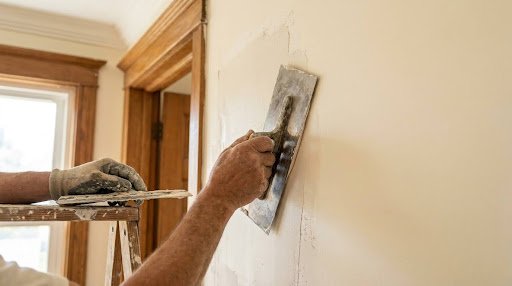
Are you noticing fine hairline cracks, crumbling corners, or uneven textures on the interior walls of your Park Ridge home? Older architecture holds timeless character, but maintaining traditional wall surfaces requires specialized care. Whether you own a classic Tudor near Uptown, a vintage Georgian, or a mid century ranch, your interior walls demand a delicate touch before any fresh coat of paint is applied.
Investing in wall restoration preserves historical integrity while elevating everyday indoor comfort. When you take the time to restore original surfaces properly, modern finishes adhere smoothly and endure through years of changing Midwestern seasons. Here is everything homeowners need to understand about diagnosing surface damage, executing professional grade repairs, and achieving stunning interior painting results in 2026.
The Architectural Heritage of Park Ridge Homes
Park Ridge is widely known for historic residential architecture. Homes constructed between the early 1900s and the 1960s feature authentic craftsmanship rarely found in modern new construction. Traditional lath and plaster walls were the gold standard during these eras, prized for exceptional soundproofing, natural fire resistance, and distinct solid construction.
However, decades of temperature fluctuations, humidity shifts, foundation settling, and everyday household vibration inevitably take a toll on original building materials. Unlike standard drywall panels, older plaster consists of multiple thick mineral layers applied directly over wooden or metal lath strips. When settling occurs, plaster begins to separate from the backing structure, creating hollow cavities, noticeable sagging, and surface fracturing. If your home has modern sheetrock rather than original plaster, our drywall repair and interior painting guide covers the prep that surface needs instead.
Understanding the unique makeup of your interior walls is the first crucial step toward protecting your investment. Applying quick cosmetic fixes like simple spackle over failing plaster will only lead to recurring cracks and peeling finishes within months.
Why Plaster Repair Demands Specialized Craftsmanship
Repairing damaged plaster is a true artisan trade that requires distinct skills compared to standard drywall finishing. If your wall sounds hollow when tapped or exhibits expanding spiderweb cracks, structural detachment has occurred beneath the surface.
Homeowners who want durable, long term results choose professional plaster repair in Park Ridge to restore surface stability before applying topcoats. Professional wall restoration involves several specialized procedures:
- Securing the Base Layer: Reattaching loose plaster back to the underlying wooden lath using specialized anchors and acrylic conditioning adhesives.
- Removing Compromised Material: Scraping away crumbling, loose lime or gypsum coats until a firm, intact foundation is reached.
- Layering Traditional Compounds: Applying base coats followed by fine finish plasters to match existing wall depth perfectly.
- Feathering and Texture Blending: Meticulously smoothing transitions so repaired sections become completely invisible once painted.
Skilled restoration preserves the solid acoustic benefits of your historic home while eliminating surface blemishes for good.
Step by Step Process for Flawless Interior Painting
Once your interior surfaces are completely stable, smooth, and cured, the transformation continues with precision painting. Achieving a designer quality finish in older homes requires meticulous preparation and proper material selection.
1. Comprehensive Surface Preparation
Quality painting is eighty percent preparation. The best results start with washing walls to eliminate grease and dust, caulking gaps along baseboards and crown molding, and applying premium masonry or bonding primer over freshly repaired plaster spots. Priming seals porous surfaces, ensuring uniform color and sheen across the entire wall.
2. Choosing the Right Sheen and Paint Formulation
For older walls with subtle character, matte, eggshell, and flat finishes work wonders because they absorb light and conceal minor surface imperfections. Satin or semi gloss finishes remain ideal choices for architectural wood trim, doors, wainscoting, and high moisture areas like bathrooms and kitchens.
3. Precision Application
Professional painters utilize high density rollers and handcrafted brushwork to lay down smooth, uniform coats without roller marks or unsightly drips. Cutting sharp lines along trim, ceiling borders, and window casings frames each room with crisp elegance.
Top Interior Color Trends for Park Ridge Residences
Interior styling in 2026 emphasizes warmth, comfort, and natural harmony. Homeowners are moving away from sterile, cool grays in favor of sophisticated hues that honor classic interior detailing. Our full 2026 paint color trends guide covers these shades across the whole home:
- Earthy Terracotta and Warm Taupe: These inviting shades bring rich warmth to formal dining spaces, libraries, and living rooms.
- Muted Sage and Olive Greens: Soft greens connect indoor living areas with lush suburban garden landscapes, creating calming master bedrooms and sunrooms.
- Creamy Off Whites and Warm Alabaster: Replacing cold stark whites, creamy undertones highlight intricate crown moldings and original vintage trim.
- Deep Moody Accents: Rich navy blues, charcoal, and forest greens are widely utilized for accent walls, kitchen islands, and built in cabinetry.
Preserving Your Home Value and Peace of Mind
Your home is likely your most significant financial asset. Cutting corners on interior updates with quick temporary patches often leads to recurring wall deterioration, costly cleanup, and frustration. Entrusting your wall repair and color transformation to established local specialists ensures your interior finishes stay vibrant and durable for decades.
With over four decades of dedicated service across the local community since 1985, Park Ridge Painting Service provides the seasoned experience, specialized plaster knowledge, and reliable craftsmanship required to bring your vision to life. From minor room refreshes to comprehensive whole house historic restorations, working with a licensed, fully insured, and BBB A+ rated contractor gives you total confidence in the quality of your finished home.
Frequently Asked Questions (FAQs)
Standard patching plasters and setting compounds typically require twenty four to forty eight hours to cure completely. Specialty traditional lime plasters may require additional drying time before primer application.
Recurring cracks indicate that the underlying plaster has detached from the lath or that your foundation experiences seasonal shifting. Proper stabilization anchors are required to prevent movement before repainting.
Flat, matte, and low luster eggshell finishes reflect very little light, making them the most effective sheens for hiding minor texture irregularities in older plaster walls.
Allow paint to cure for thirty days after application before scrubbing. For routine cleaning, gently wipe surfaces with a soft microfiber cloth and a mild water based soap solution.
Final Thoughts
Restoring the authentic beauty of your home begins with careful planning, sound structural wall repair, and expert color application. By addressing underlying wall damage before painting, you ensure that every room radiates comfort, elegance, and enduring charm.
Reach out to local professionals today to schedule a personalized on site consultation and give your home the lasting care it deserves. Call (847) 384-9088 or contact us for a free estimate.