
Try a gentle wipe with a damp cloth in a hidden spot. If the mark lifts and the finish looks even, cleaning is enough. If the mark stays, the sheen turns patchy, or color comes off on the cloth, the paint is wearing out.
Signs Your Park Ridge Home's Interior Needs a Fresh Coat of Paint
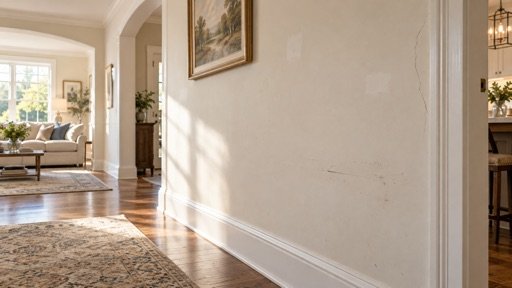
Most homeowners do not repaint on a schedule. They repaint when the walls start to look tired, and by then the signs have usually been showing for a while. Knowing what to look for helps you catch problems early, sometimes while a simple repair is still enough, and helps you decide whether a room needs a few touch-ups or a full repaint.
Here are the signs we see most often when we walk through Park Ridge homes, what each one means, and what to do about it.
Scuffs and Marks That Will Not Wipe Clean
Every wall collects marks, but when a gentle wipe with a damp cloth leaves a shiny patch, spreads the mark, or does not lift it at all, the finish has worn down. Hallways, stairways, and kitchens reach this point first. If color comes off on the cloth, the paint itself is breaking down and more washing will only make it worse. A washable satin finish holds up to cleaning far better than flat paint, and our guide to Best Paint Finishes for Every Room explains which sheen belongs where.
Faded, Dull, or Yellowed Color
Sunlight fades color over the years, and white and cream paints can turn yellow with age, especially in kitchens where cooking residue builds up. Here is an easy test. Take a picture frame or mirror off the wall and compare the spot behind it to the paint around it. A visible difference means the exposed paint has changed more than you realized.
Peeling, Flaking, or Bubbling Paint
Paint that lifts away from the wall has lost its grip, and the cause matters. Bubbling and peeling near bathrooms, kitchens, or exterior walls often points to moisture, and painting over the problem without fixing the source means the new paint will fail too.
One safety note for older homes. Paint in a home built before 1978 may contain lead, so avoid dry sanding or scraping peeling paint yourself, and ask any painter you hire how they handle older paint safely.
Cracks That Keep Coming Back
Hairline cracks along corners, around door frames, and across ceilings are common in Chicago-area homes because walls shift a little with the seasons. A single crack can simply be patched. Cracks that return, widen, or spread in a pattern deserve a closer look before any paint goes on. Our Plaster Repair Park Ridge and Drywall Repair Park Ridge pages explain how we handle both.
Stains From Water, Smoke, or Cooking
Brown or yellow rings on a ceiling or near a window mean water has found its way in at some point. Fresh paint will not hide them for long unless the source is fixed and the stain is sealed with the right primer first. Smoke and cooking residue can leave a similar film that shows through ordinary paint, which is why prep matters as much as the paint itself.
Dark Spots in Bathrooms and Kitchens
Dark or fuzzy spots in corners, along ceilings, or behind fixtures are often mildew. Cleaning can remove surface spots, but if they keep returning the cause is usually humidity, weak ventilation, or a hidden leak. A repaint with a moisture-resistant paint helps only after that cause has been dealt with.
Touch-Ups That Show
Paint ages, so a patch applied years later rarely matches the wall around it. If you can see rectangles or blotches when afternoon light hits the wall, touching up has stopped helping and is now making the room look worse. Repainting the full wall or room gives an even result.
A Simple Walkthrough Test
Pick a time of day when light comes in from the side, or hold a flashlight flat against the wall. That low angle exposes dents, nail pops, old patches, roller marks, and uneven sheen that normal light hides. Walk each room this way and make a short list of what you see. Three or four marks in one room usually means that room is due.
A Color That No Longer Fits
Sometimes the sign is not damage at all. If a color feels dated, makes a room feel smaller or darker, or clashes with new furniture or flooring, that is reason enough. Fresh neutral paint is also one of the most common updates homeowners make before listing a house.
Touch Up or Full Repaint?
As a rule, one or two isolated marks can be cleaned or touched up. When several signs show up in the same room, or the touch-ups themselves are visible, a full repaint looks better and costs little more in the long run. For room-by-room timelines, read our guide on How Often Should You Repaint the Interior of Your Park Ridge Home.
Not Sure What You Are Seeing?
If several of these signs sound familiar, a quick look at the walls in person is the easiest way to know. Our Interior Painting Park Ridge page explains how we work. Or call us at (847) 384-9088 or contact us for a free estimate.
Frequently Asked Questions
Sometimes. Fresh paint rarely matches older paint exactly, so touch ups work best on small areas of a newer paint job. On older walls they often show, and repainting the full wall gives a better result.
Moisture is the most common cause. Steam and humidity can weaken the bond between paint and wall, especially without good ventilation. The source of the moisture should be addressed before repainting.
Not on its own. The leak has to be fixed first, then the stain sealed with the right primer, otherwise it tends to show through again within months.