
September is often the best single month, with May and early June close behind. What matters most is a stretch of dry days with temperatures between about 50 and 85 degrees and moderate humidity.
The Best Time of Year to Paint a House Exterior in Illinois
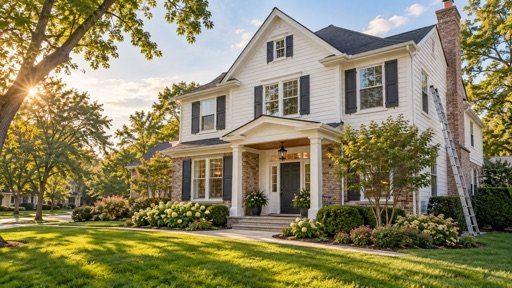
The best times to paint a house exterior in Illinois are late spring, from May into early June, and early fall, from September into mid-October. Those two windows give you mild temperatures, manageable humidity, and the most dry days in a row, which is what fresh exterior paint needs to bond and cure properly.
The calendar is only part of the story, though. A cool, dry October week can beat a hot, sticky June one. Here is what actually matters, how each season stacks up in the Park Ridge area, and how to plan your project around it.
The Weather Conditions That Matter Most
Most exterior latex and acrylic paints are designed to be applied when the air and the surface are between about 50 and 85 degrees. Some cold-weather formulas cure down to around 35 degrees, but that is a backup option, not a reason to schedule work in the cold. Heat is a problem too. Above about 90 degrees, or on a wall in direct hot sun, paint can dry too fast, leaving lap marks, blisters, and a weaker bond.
Humidity and moisture matter just as much. Paint dries slowly in damp air, and relative humidity above about 70 percent raises the risk of sagging, a gummy finish, and moisture trapped under the paint. Morning dew counts as moisture, which is why crews often wait until mid-morning to start.
| Condition | What We Look For |
|---|---|
| Air and surface temperature | About 50 to 85 degrees |
| Overnight low | Above 50 degrees while the paint is curing |
| Relative humidity | Roughly 40 to 70 percent |
| Rain | Dry for the application and ideally a day or two after |
| Sun | Follow the shade on hot days, avoid direct midday sun on a wall |
Late Spring
May and early June are often the sweet spot. Nights are mild, days are warm, and humidity has not yet reached its summer peak. Late April can still be cold at night and wet, so early spring is hit or miss. Spring rain is the main risk, so a good schedule leaves a few buffer days.
Summer
Summer works, but it takes more care. Heat and humidity both push against the ideal range, so good crews paint shaded sides of the house in the afternoon and work with the sun instead of against it. Summer is also the busiest season for painters, which makes early booking important.
Early Fall
Many painters consider September the best single month. Temperatures are moderate, humidity drops from its summer highs, and the weather tends to be more stable. The window closes as nights cool, so the goal is to finish by mid-October.
Winter
We do not recommend exterior painting in an Illinois winter. Freezing nights, damp conditions, and short days make it hard for paint to cure the way it should, and a finish that fails early costs far more than waiting a few months.
Why Prep Timing Matters Too
Good weather helps paint go on, but the surface has to be ready first. Siding that has just been washed needs time to dry completely before it is painted, since paint over damp surfaces can blister or peel. That is one reason we treat Power Washing Park Ridge as the first step of an exterior project, and why failed seams get attention through our Caulking and Exterior Sealing service before any paint goes on. Building those steps into the schedule, with a dry day or two between them, protects the finish.
Book Early for the Best Dates
The best weather windows are also the ones everyone wants. Painters fill their calendars fastest in late spring and early fall, so booking several weeks ahead gives you the pick of dates. Winter is a good time to plan, choose colors, and lock in a spring start.
Planning an Exterior Project?
Our Exterior Painting Park Ridge page explains how we prep, paint, and protect a home. Or call us at (847) 384-9088 or contact us for a free estimate.
Frequently Asked Questions
Most exterior latex and acrylic paints need at least 50 degrees. Some cold weather formulas are rated down to about 35 degrees, but for a lasting finish we prefer to work at 50 degrees and above.
Yes, with care. Avoid direct midday sun and temperatures above about 90 degrees, follow the shade around the house, and watch the humidity. Summer is also the busiest season, so book early.
The surface needs to be completely dry, which usually takes at least a full day and longer for wood siding or after heavy rain. Painting over damp siding is a common cause of blistering and peeling.