
Yes. Interior paint depends on the temperature inside the home, not the temperature outdoors, as long as the rooms stay at about 50 degrees or warmer.
Can You Paint Your Home Interior in Winter? A Chicago Area Guide
By Park Ridge Painting Service, family owned and serving Park Ridge since 1985. Last reviewed .
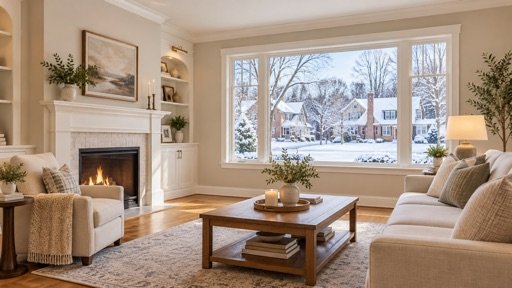
Yes, you can paint the inside of your home in a Chicago winter, and it is often a very good time to do it. Unlike exterior paint, interior paint does not depend on outdoor weather, because your furnace is already controlling the conditions that matter. What it does depend on is room temperature, airflow, and a little extra planning for ventilation when the windows stay shut.
Here is what the paint needs, how winter changes the job, and how to schedule an interior project so it dries and cures properly.
What Interior Paint Needs
Most interior latex paints are meant to be applied when the room and the walls are at least about 50 degrees, and the can will list the exact range. Most homes sit comfortably above that, but a cold back room, an unheated porch, or a wall that backs onto an exterior corner can run cooler than the thermostat suggests.
Heating dries the air out, which helps paint dry faster. Dry air can also make paint set before it levels, so a careful painter keeps a wet edge and avoids working on walls that sit right next to a heating vent or radiator.
Winter and Summer Interior Painting Compared
| Factor | Winter | Summer |
|---|---|---|
| Room temperature | Controlled by the furnace, usually fine | Controlled by air conditioning, usually fine |
| Humidity | Low, so paint tends to dry fast | Often high, so paint can dry slowly |
| Ventilation | Windows stay closed, so planning matters | Windows can open for easy airflow |
| Painter availability | Usually more open dates | Busiest season for many painters |
| Best for | Whole-home repaints and planned projects | Projects mixed with outdoor work |
How to Handle Ventilation With Closed Windows
Fresh air is the one thing winter makes harder. Low-VOC and zero-VOC paints are a good choice for cold months because they release far fewer fumes, and they are covered in our guide to healthy home interior painting. When possible, crack a window for short stretches, run bathroom and kitchen fans, and keep interior doors open so air can move through the house.
Paint also keeps curing long after it feels dry. Dry to the touch usually happens within hours, but full cure can take a few weeks, so hold off on scrubbing walls or pushing furniture tight against fresh paint for a while.
Winter Problems to Watch For
Condensation on windows and in bathrooms can leave moisture on nearby walls, so fix any leaks or mildew before painting and use a mildew-resistant paint in humid rooms. Dust is also heavier in winter because homes are sealed up, so walls should be cleaned well before painting. Cracks that open along corners and seams as heating dries out the house should be patched and primed, not painted over, which is where our Drywall Repair Park Ridge and Plaster Repair Park Ridge work comes in.
Why Winter Is a Smart Time to Book
Painters are in highest demand in late spring and early fall, so winter often means more flexible start dates and a faster path from estimate to finished rooms. It is also a natural time to refresh the rooms you spend the most time in, and to get them finished before spring and summer entertaining. If you are still choosing colors, our guide to 2026 interior paint colors and finishes can help.
Planning an Interior Project?
Our Interior Painting Park Ridge page explains how we prep, protect, and finish every room. Or call us at (847) 384-9088 for a free estimate.
Frequently Asked Questions
Most interior latex paints call for at least about 50 degrees, though the exact range is printed on the can. Keep the room at a steady, comfortable temperature while the paint dries.
Often it dries faster to the touch because heated air is dry, but it still takes weeks to fully cure, so avoid scrubbing or heavy contact for a while.
Use low VOC paint, run exhaust fans, keep interior doors open, and open a window briefly when you can.