
A trim enamel in semi gloss or satin is the usual choice, since it resists scuffs and cleans easily.
Trim and Baseboard Painting: Why It Makes or Breaks a Room
By Park Ridge Painting Service, family owned and serving Park Ridge since 1985. Last reviewed .
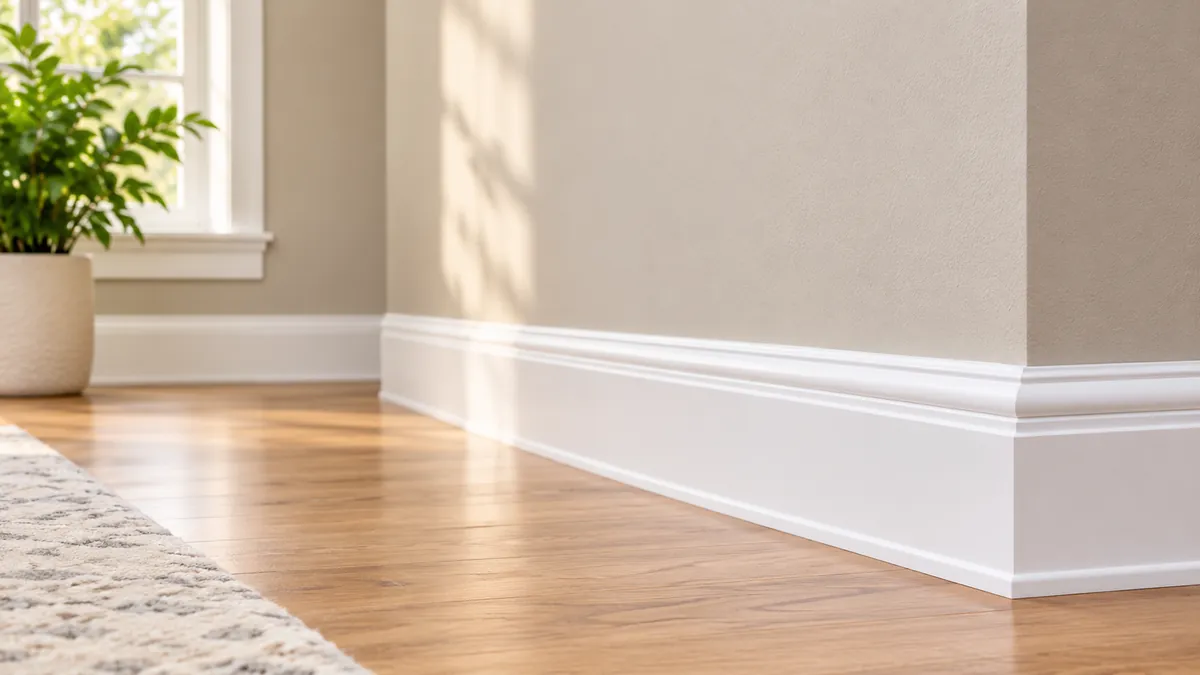
Walls get the attention, but trim decides whether a room looks finished. Crisp, smooth baseboards, window casings, and door frames frame the room, while chipped, yellowed, or sloppy trim makes even fresh wall color look cheap.
Here is why trim takes extra care, what the right prep looks like, and which paint and sheen hold up best.
Why Trim Takes More Work Than Walls
Trim gets kicked, scuffed, bumped by vacuums, and touched constantly, so it wears faster than walls. It also has edges, grooves, and joints that show every flaw, and many older homes have trim with years of layered paint that has built up and rounded the original profile. Good results depend far more on prep than on the brush.
The Prep Steps That Matter
| Step | What Happens | Why It Matters |
|---|---|---|
| Clean | Wash away dust, grime, and oils | Paint will not bond to dirty surfaces |
| Repair | Fill nail holes, dents, and gouges | Smooth trim looks higher quality |
| Sand | Lightly scuff the old finish | Gives new paint something to grip |
| Caulk | Seal gaps where trim meets the wall | Creates a clean, finished line |
| Prime | Prime bare wood and repaired spots | Prevents blotchy spots and peeling |
| Paint | Apply two thin coats of enamel | Thin coats level out and look smoother |
We handle the caulk step as part of our Caulking and Exterior Sealing service, which keeps that line between trim and wall from cracking again.
Choose the Right Paint and Sheen
Trim is usually painted in semi gloss or satin, because these finishes resist scuffs and wipe clean easily. A quality trim enamel levels out as it dries, which hides brush marks. Cheap wall paint on trim tends to scuff and yellow, so it is worth using a product made for trim and doors.
Old Oil Finishes and Layered Paint
If your trim was painted with an oil based finish years ago, it needs a light sanding and a bonding primer before a modern water based enamel goes on, or the new paint can peel. In older homes with heavy paint buildup, careful scraping and sanding come first. If your home was built before 1978, read our guide on lead paint in older Park Ridge homes before sanding or scraping.
The Order of Work
Professional crews commonly paint ceilings first, then trim, then walls, or trim last depending on the project. What matters is a clean line where trim meets wall, which comes from careful cutting in and good caulking rather than from tape alone.
Plan Trim With the Rest of the Room
A fresh wall color next to worn trim makes the trim look worse, so many homeowners repaint trim when they repaint walls. Timing both together is easier when you know your interior's typical repaint schedule. Our guide to current interior colors and finishes can help you pick a trim white that suits your wall color. Our Interior Painting Park Ridge page explains how we handle each room.
Want Crisp, Professional Trim?
Call us at (847) 384-9088 for a free estimate that includes trim, doors, and baseboards.
Frequently Asked Questions
Many painters do ceilings first, then trim, then walls, but the key is a clean line where trim meets the wall.
Yes. A light sanding after cleaning gives new paint something to bond to, especially over glossy or oil based finishes.
Aging oil based paint and some cheap finishes yellow over time. A quality water based enamel resists yellowing better.